Lineman Central
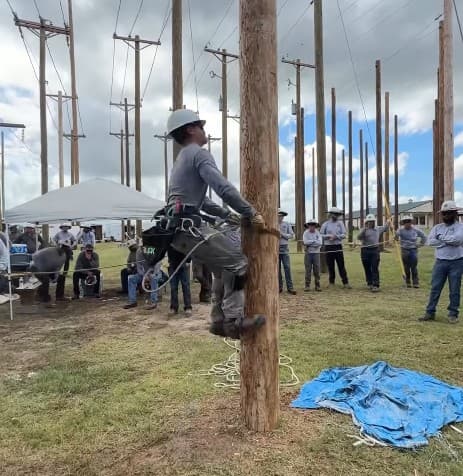
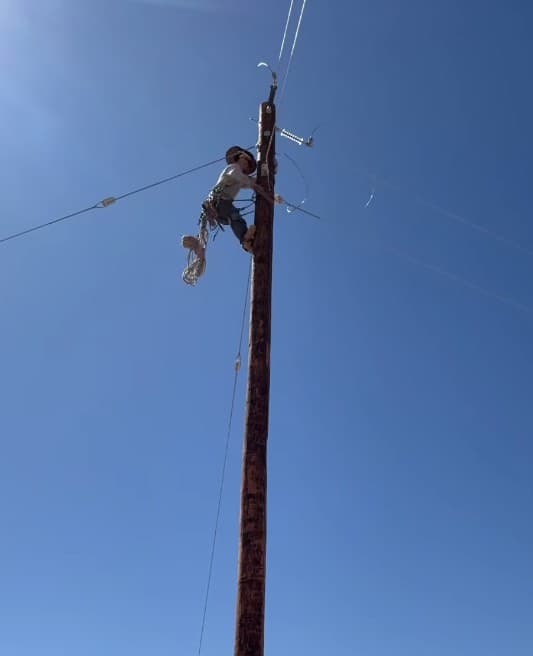
Trainee climbing on hooks in a yard while others watch

Lineman Central

Scholarships for Linemen in 2026

How to pay for line school. National awards, school aid, and sponsorships in one place.

National awards

Worth knowing this year

Compare awards here first. Deadlines move. Confirm the current cycle before you apply.

  • American Public Power Association DEED Scholarships

    Up to $2,000

    Students pursuing careers in public power, including line work at municipal and cooperative utilities.

    How to apply →
    Timing
    Check DEED site for current cycle
    How to apply
    Review current DEED scholarship offerings, confirm you meet public-power career criteria, then submit through the American Public Power Association DEED program process.
  • Lineman's Memorial Scholarship Fund

    Varies

    Aspiring and current lineworkers supported through the industry memorial fund.

    How to apply →
    Timing
    Varies by award cycle
    How to apply
    Watch for open application windows from the Lineman's Memorial Scholarship Fund. Prepare a short statement on your path into the trade and any training program you plan to attend.
  • Mike Rowe WORKS Foundation Work Ethic Scholarship

    Varies — competitive national award

    Trade-school students who demonstrate work ethic. Open to lineworker and utility training programs.

    How to apply →
    Timing
    Annual competitive cycle — confirm dates each year
    How to apply
    Enroll (or plan to enroll) in an approved program, sign the S.W.E.A.T. Pledge, gather references, prepare a short video, transcripts, and school cost verification. Submit through the Mike Rowe WORKS Work Ethic Scholarship application.
  • NRECA / Truman Bradley Scholarship

    Varies — co-op focused

    Typically for dependents of cooperative employees entering co-op and utility careers.

    How to apply →
    Timing
    Confirm with NRECA / local co-op each year
    How to apply
    Confirm eligibility through your co-op or NRECA materials, gather required documents, and submit through the Truman Bradley Scholarship process for the current cycle.
  • SkillsUSA Scholarships

    Varies by chapter and partner

    SkillsUSA members and career/technical students; many chapters support power-line and electrical programs.

    How to apply →
    Timing
    Varies by chapter and national partner
    How to apply
    Start with your local SkillsUSA chapter or school advisor. Ask which partner scholarships are open for electrical or power-line pathways, then follow that chapter's application steps.

Run a scholarship for lineworkers? Tell us about it. We review listings before they go up.

Beyond scholarships

Other ways to pay

You do not have to pick one. Most green hands stack a few of these.

  • 01

    FAFSA & federal aid

    Start with the Free Application for Federal Student Aid. Pell Grants do not need to be repaid. Federal loans can help at community colleges that run line programs.

  • 02

    State grants

    Many states fund vocational and trade training. Check your state education department for grants that cover certificate programs, not only four-year degrees.

  • 03

    Employer sponsorship

    Some utilities and contractors pay part or all of tuition if you commit to work for them after school. Ask hiring managers and co-ops in your region.

  • 04

    Union apprenticeships

    IBEW and other JATC paths often pay you while you train. Different model than private school tuition. You earn as an apprentice.

  • 05

    Workforce & veterans

    Local workforce boards and veteran programs can stack with school aid. Veterans should ask about GI Bill eligibility and resources like in2Veep.

  • 06

    School-based awards

    Programs on Lineman Central say whether they offer scholarships. Ask admissions about memorials, co-op partners, and need-based aid.

At the school

Program-specific awards

Plenty of schools run their own memorials, co-op partners, and local utility scholarships. Examples include the Daniel Schommer Memorial at Pearl River, GreyStone awards in Georgia, and Chattanooga's New Heights path with Local 175 partners. Every program page on Lineman Central flags whether scholarships are available.

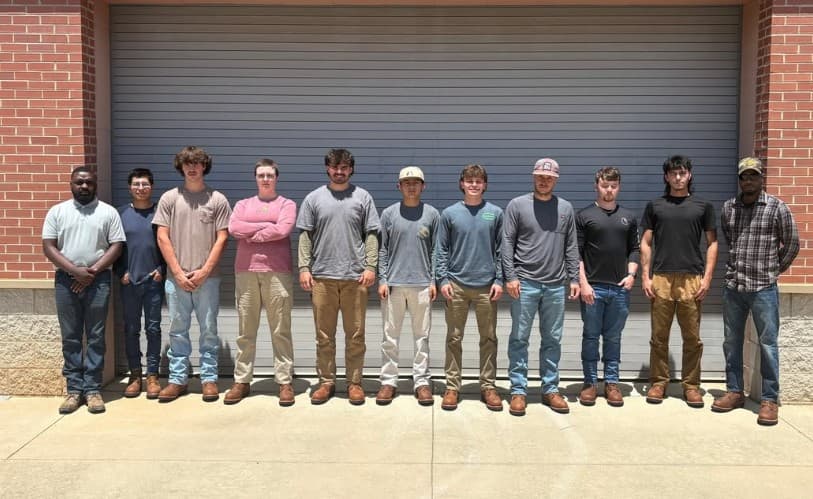
Class of young lineworkers lined up outside a training shop

FAQ

Common questions

Do I need to pay for lineman school upfront?
Often you pay tuition for a college or private line program before you start. Some paths, especially union apprenticeships, pay you while you train. Scholarships, FAFSA, and employer sponsorship can cut what you owe out of pocket.
Can I get a scholarship if I already have a job?
Many awards care more about the training program and your work ethic than whether you are currently employed. Read each award's eligibility. Some prefer high-school grads. Others welcome career changers.
How much does lineman school cost?
Across programs tracked on Lineman Central, the median cost is about $8,400. Individual schools range lower and higher. Always confirm current tuition with the program.
What's the difference between a scholarship and an apprenticeship?
A scholarship helps pay tuition or related costs for school. An apprenticeship is a job-training path, often through a JATC, where you earn wages while you learn. You can use both over a career.
Where should I start if I can't afford full tuition yet?
Look at National Public Power's online pre-apprenticeship. Discounted enrollment may now be open. Then stack FAFSA, school awards, and the national scholarships on this page. Request info from programs near you and ask what aid they offer.

Next step

Find a program near you, or send us a scholarship you want listed.